
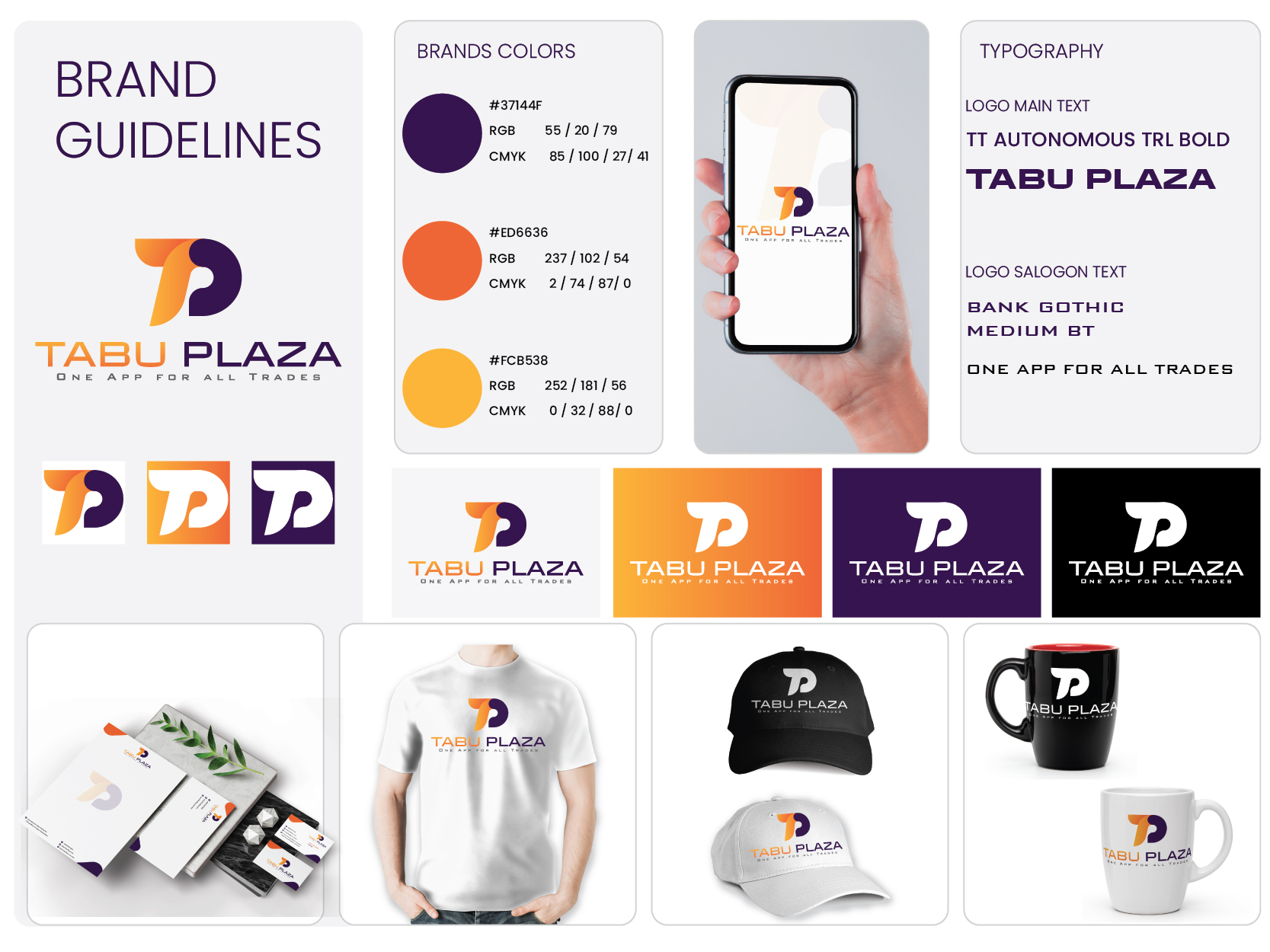
Brand Identity vs Logo in 2026 — What Modern Brands Need to Know
As businesses head into 2026, one of the biggest misunderstandings in the branding world is still the confusion between a logo and a full brand identity. Although connected, these two elements serve very different purposes. Understanding the difference is essential for building a brand that is modern, memorable, and ready to compete in a fast-changing digital landscape.
Whether you’re starting a new venture or refreshing an existing brand, this guide will help you understand what truly matters for creating a powerful identity in 2026.
1. What Is a Logo? (And What It Isn’t)
A logo is a visual symbol that represents your business. It can be:
-
A wordmark
-
A lettermark
-
A symbol/icon
-
A combination mark
In 2026, logo design continues to shift toward simplicity, versatility, and scalability. Brands need logos that look sharp on:
-
Mobile apps
-
Website headers
-
Packaging
-
Social media
-
Print materials
-
Dark mode & light mode
Your logo is an identifier — but not the full story.
2. What Is Brand Identity?
Brand identity is the complete visual ecosystem that shapes how your brand looks, sounds, and feels across all touchpoints.
A full brand identity typically includes:
-
Logo variations
-
Typography
-
Color palette
-
Icon styles
-
Patterns & graphic elements
-
Imagery direction
-
Packaging style
-
Social media look
-
Brand guidelines
-
Brand voice & messaging
-
Layout rules
Explore our professional Branding Identity Services
Explore our professional Branding Identity Portfolio
In 2026, companies focus heavily on consistency and recognizability, especially across digital platforms and omnichannel experiences.
A strong brand identity builds:
-
Trust
-
Recognition
-
Emotional connection
-
Seamless customer experience
It is the foundation of every marketing effort — not just a design.
3. The 2026 Shift: Identity Over Symbol
Modern audiences expect more than a logo. They want a brand they can follow and connect with.
Key branding trends for 2026 include:
-
Multi-format responsive logo systems
-
Brand stories woven into visuals
-
Motion-first identity design
-
Timeless, not trendy aesthetics
-
Humanized brand voice
-
Focus on authenticity
Brands that invest in identity — not just a logo — see stronger long-term growth.
4. Why a Logo Alone Isn’t Enough in 2026
If you only have a logo, you’ll eventually face these challenges:
-
Inconsistent social media posts
-
Unprofessional marketing materials
-
Confusing packaging
-
Weak brand impression
-
Lack of trust
-
No structure for future design needs
A full identity prevents this by giving your brand a cohesive system.
Related Posts:
Brand Guidelines for Small Businesses: What to Include in 2026 (Complete Guide)
Packaging Design Trends for 2026 — What Modern Brands Must Focus On
5. What Businesses Actually Need in 2026
To compete in 2026, brands need:
-
A scalable logo system
-
A cohesive brand identity
-
A clear messaging framework
-
Strong visual guidelines
-
Social media style consistency
-
Packaging and print alignment
-
Website branding harmony
This is where a professional design partner becomes essential — not optional.
6. How MicroArts Helps Build Your Brand Identity
MicroArts develops complete branding systems that cover everything needed to launch or upgrade your business in 2026:
✔ Logo Design
✔ Typography & Color System
✔ Brand Style Guide
✔ Packaging Direction
✔ Digital & Social Identity
✔ Print & Marketing Collateral
✔ Website Branding Alignment
When you’re ready to elevate your brand for 2026, MicroArts delivers premium, strategy-driven visual systems that build trust and recognition.
Final CTA
A logo gives your business a face.
A brand identity gives it a personality, voice, and long-term impact.
If you’re serious about building a modern, recognizable, and cohesive presence in 2026, it’s time to move beyond a single logo and invest in a complete identity system.
